







The Design Den: Where Big Ideas Begin With Small Experiments






At the Wellington Shanghai Early Years Centre, our Curriculum Charter guides everything we do. It sets out the why, the how and the impact of learning, ensuring every child is supported to reach their full potential.
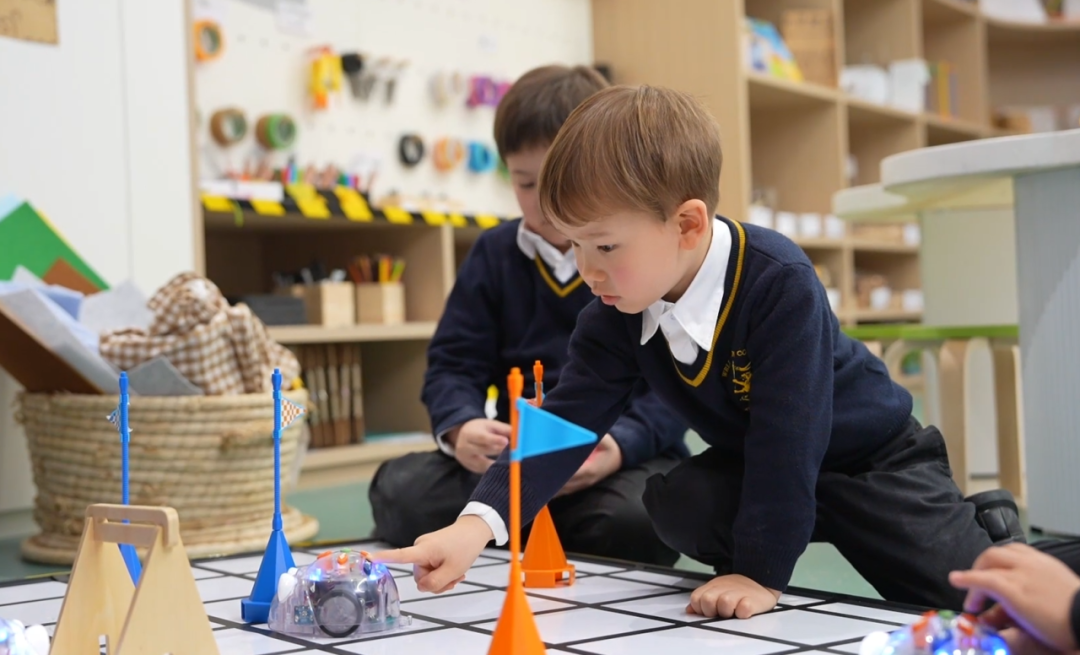
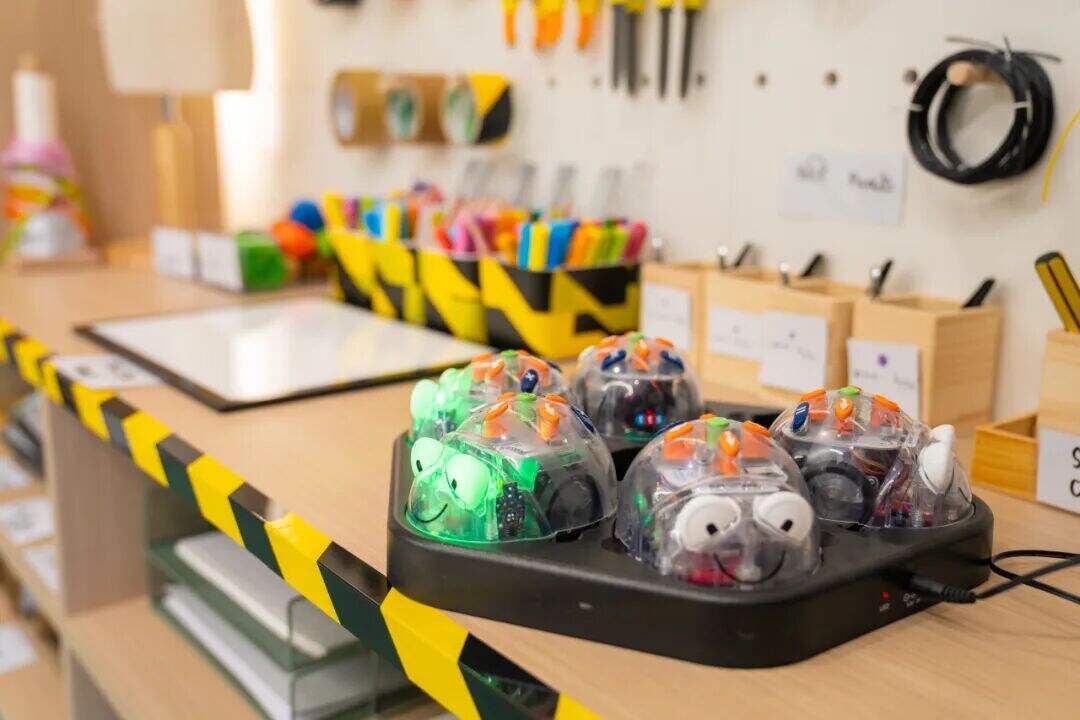
In Episode 3 of our Curriculum Charter series, Navigating the Future, we step inside our Design Den & Maker Space, a purpose-built environment where STEM learning in the Early Years comes to life through curiosity, imagination and hands-on exploration.
As Kaylee Tang, Atelier High Level Teaching Assistant, explains, "STEM in the Early Years is like installing a supercharged operating system, one that wires children to explore, question and adapt. When a wobbly tower falls, they do not see failure; they see a puzzle waiting to be solved."
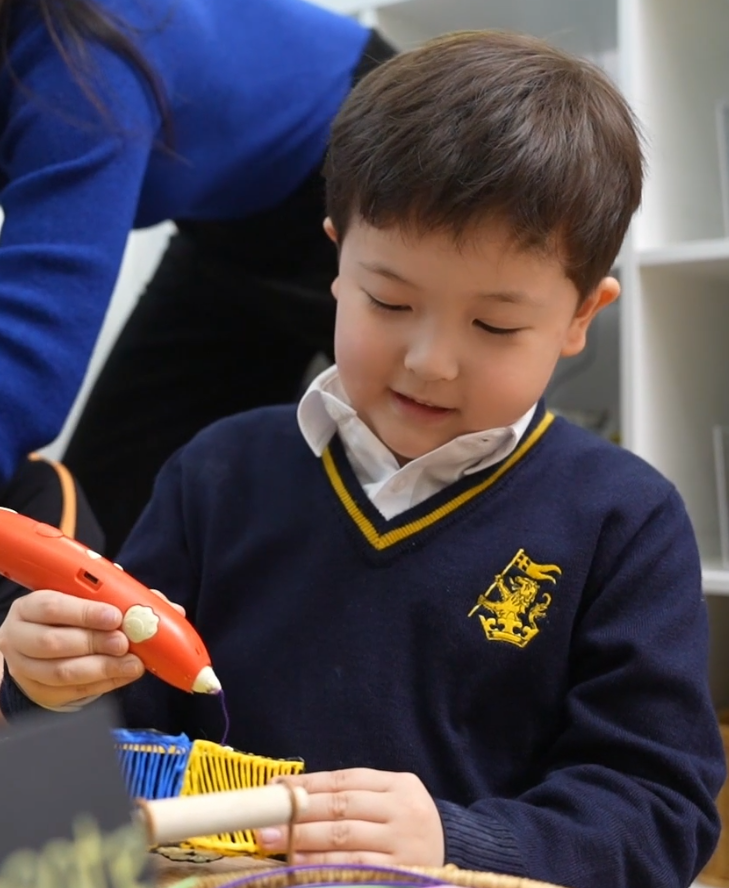
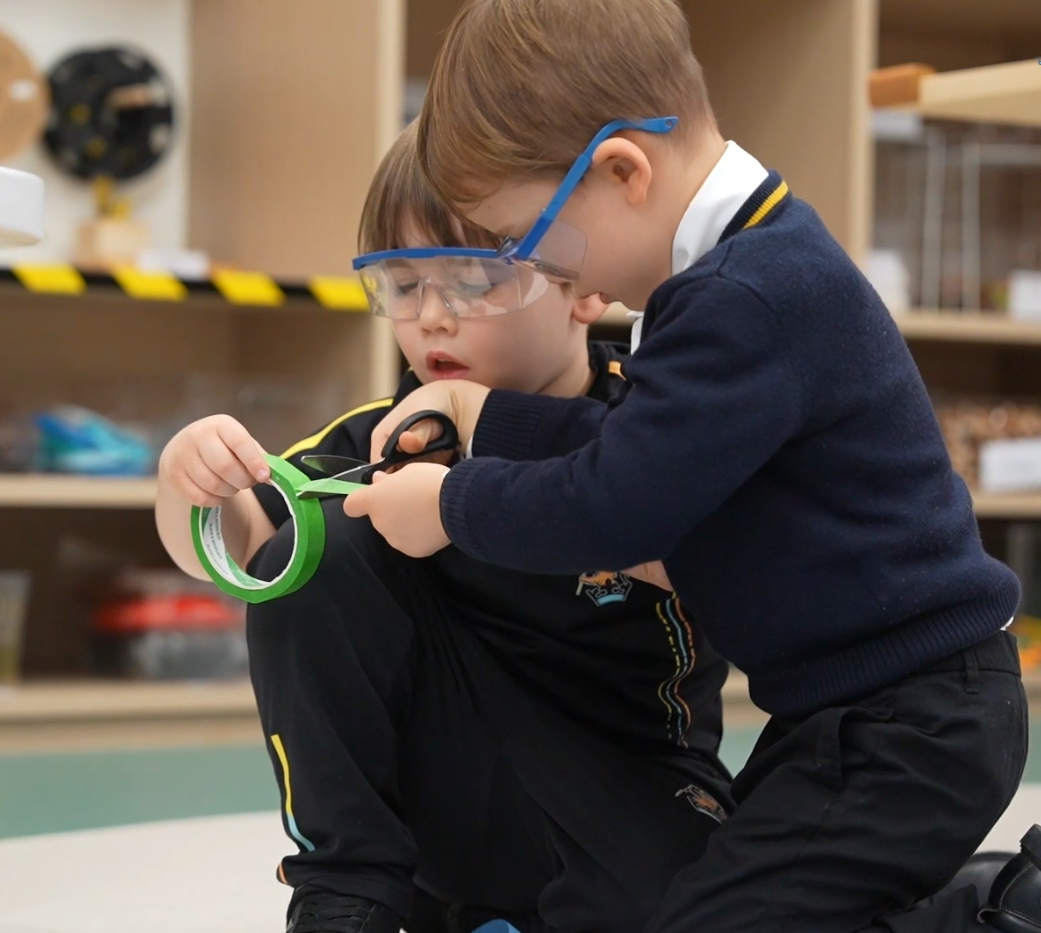
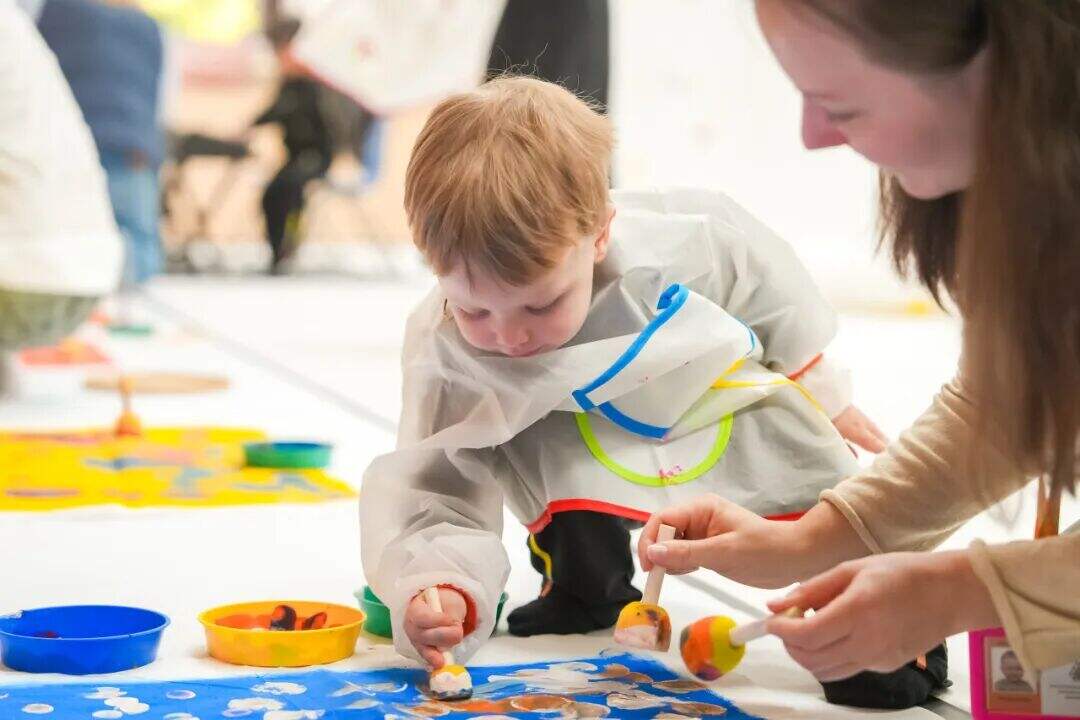
In the Design Den, every discovery begins with curiosity. Pupils bring together science, technology, engineering, art and maths in ways that feel natural and meaningful. Whether they are stacking cups to explore gravity, sketching shadows to understand light or building rockets from cardboard, children make powerful connections between play and possibility.
"We are not just teaching skills,"Kaylee adds. "We are nurturing problem-finders, children who ask, 'Why does this not work?' and 'What if we tried something else?'"
How learning comes to life
in the Design Den

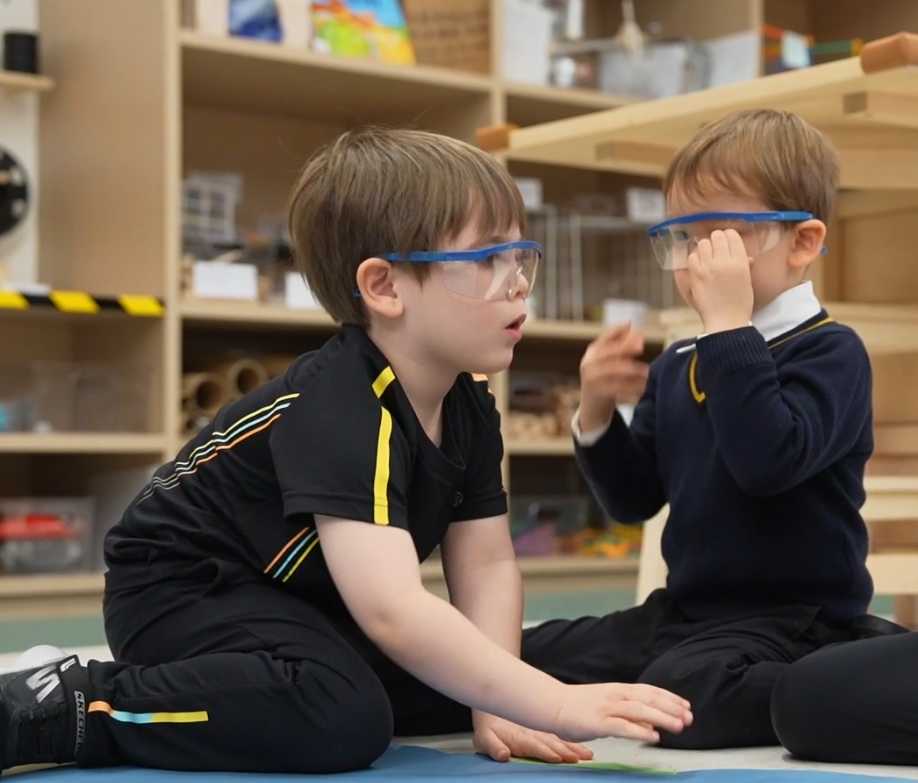
The Design Den & Maker Space is more than a classroom. It is a carefully designed environment where children are encouraged to think, test ideas and learn through doing.
Learning follows a clear but flexible workflow: Explore → Design → Create → Share. This structure helps children organise their thinking while still allowing space for creativity, collaboration and experimentation.
In this episode, pupils are guided through a mock project inspired by space exploration, solving a real-world engineering challenge in an age-appropriate way.

Exploring a lunar rover challenge
1
Explore
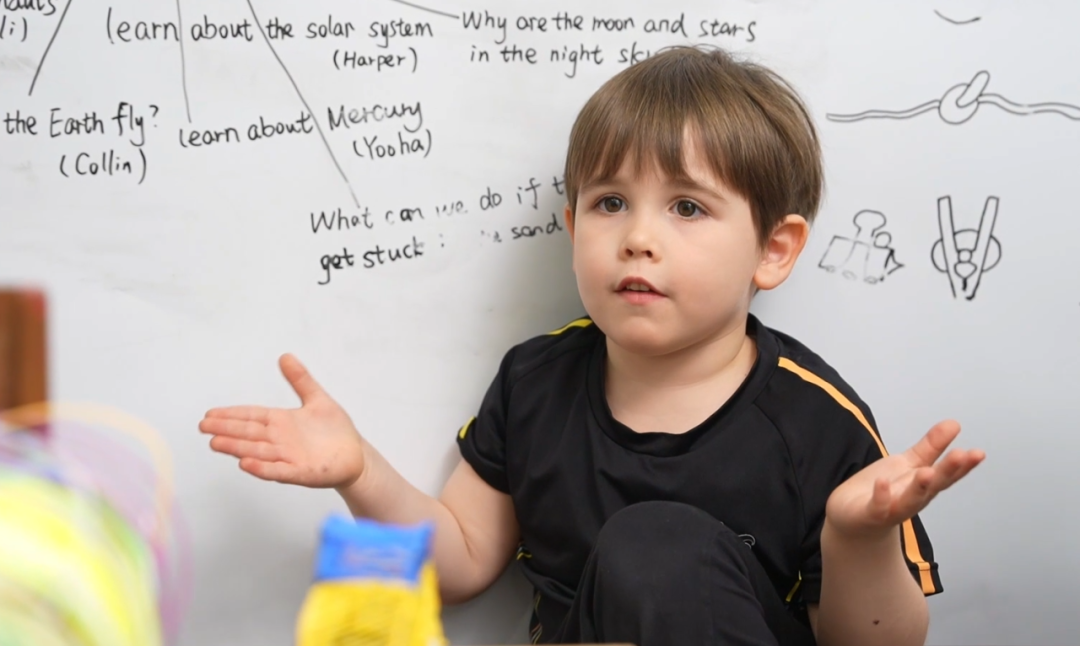
Children begin by sharing their interests and questions about space. One pupil raises a key problem: How can we stop a lunar rover’s wheels from sinking into soft sand on the Moon?
Using sand and flour to recreate a lunar surface, pupils explore the challenge together, observing what happens when different wheels move across the uneven ground.
2
Design
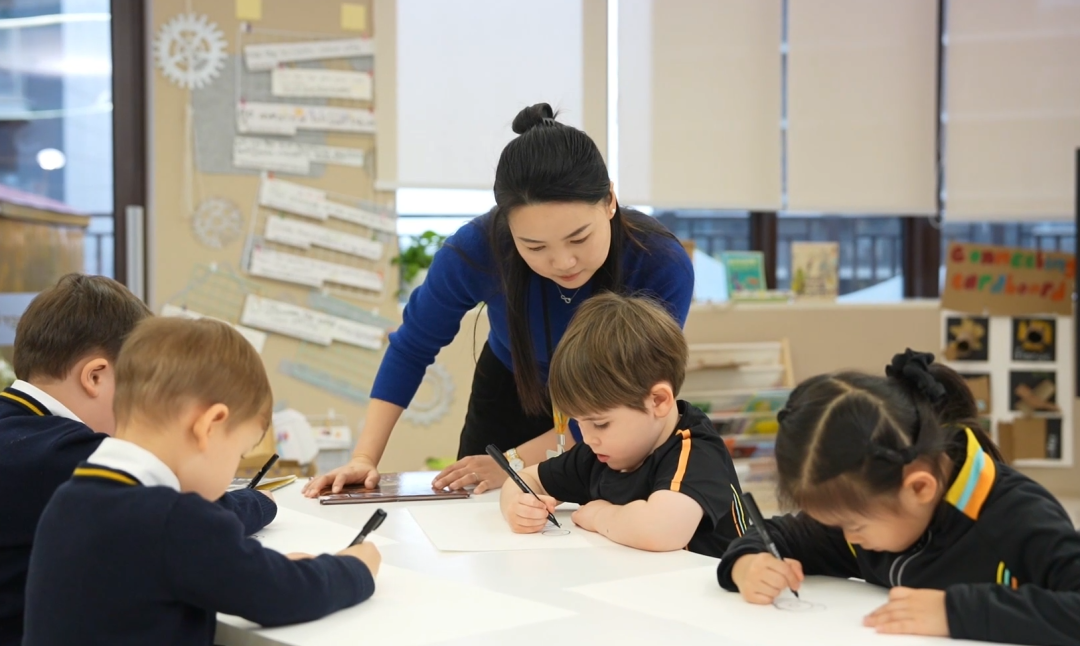
Working in small groups, children brainstorm possible solutions and sketch ideas for improved rover wheels. Teachers support the process by asking thoughtful questions, helping pupils explain their ideas and consider different approaches.
3
Create
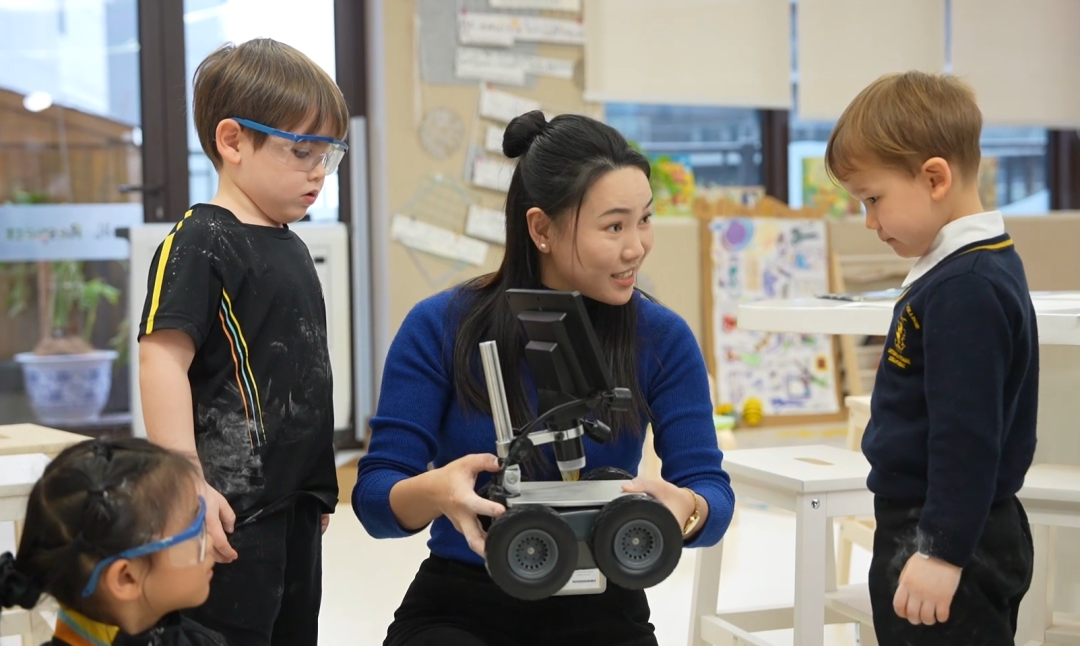
The children turn their designs into prototypes, testing how different shapes and materials perform on the simulated surface. Through trial, error and adaptation, they learn that small changes can lead to better outcomes.
4
Share
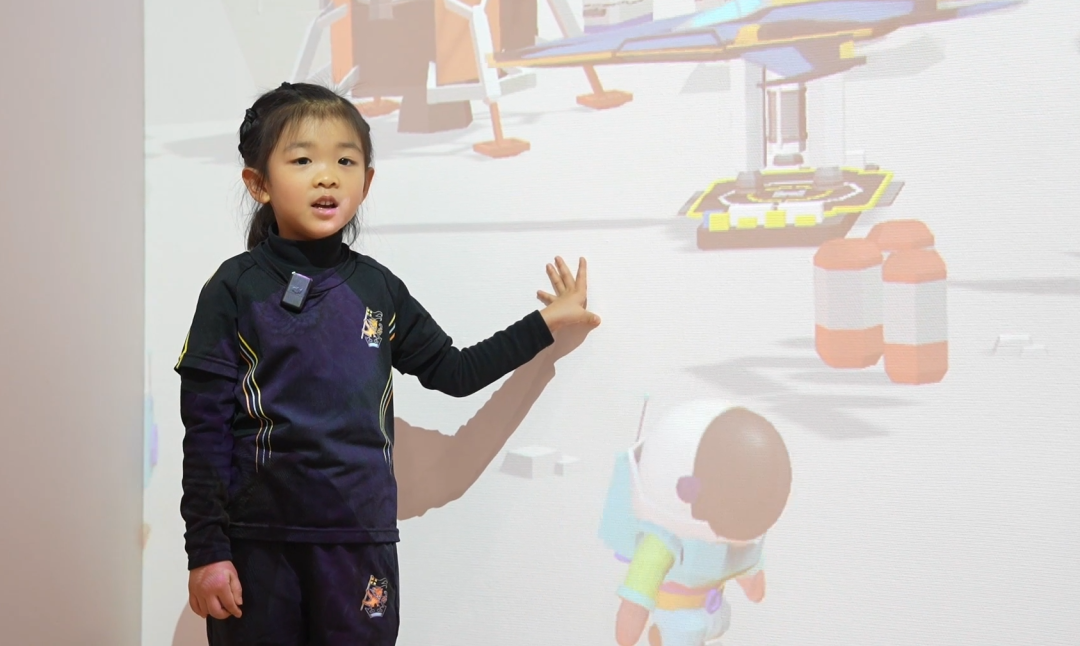
Finally, pupils present their designs to one another, explaining what they tested and what they learned. By sharing their thinking, they develop confidence, communication skills and respect for different perspectives.
The impact:
confident problem-finders
and problem-solvers

Through STEM learning in the Early Years, children begin to see themselves differently. They are not just playing they are experimenting, testing ideas and learning how to respond when things do not go to plan.
Every sketch, model and prototype becomes a visible record of thinking and growth. Learning journals capture not just what children create, but how they arrive there, encouraging reflection, communication and pride in the learning process.
As Charlotte Knight-Benjafield, Principal of the Early Years Campus, shares, "Children truly believe they can change the world. And just as STEM builds problem-finders and problem-solvers, our next episode reveals how another space, our Atelier, nurtures artists and dreamers, where every brushstroke tells a story."

Contact Admissions
联系我们
Early Years
幼儿部
Primary
小学部
Secondary
中学部



+(86-21) 5185-3885
+(86-21) 5185-3864
EYC/幼儿部: +(86-21) 3158 0008-7523
admissions.shanghai@wellingtoncollege.cn
Related Articles