最新资讯
Latest News
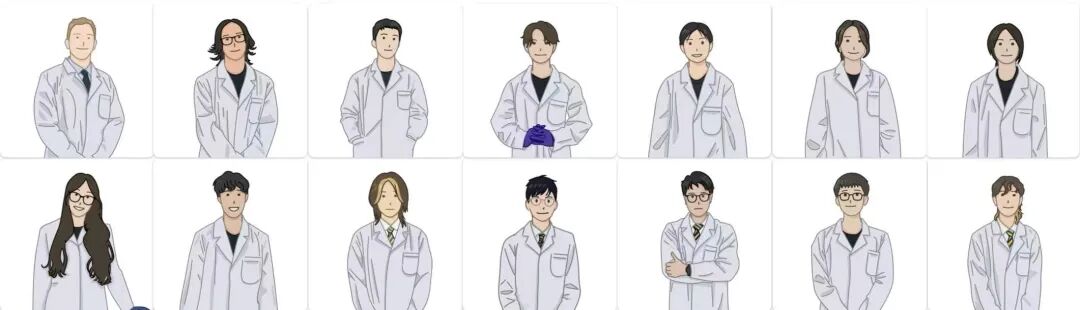
iGEM Competition & Barnacure Team Members
Team Illustration by Joanna, Year 11
Article written Jing Jing, Year 11
Primary Principal Investigator: Thomas Edwards, Head of Biology & Head of Science
What is iGEM?

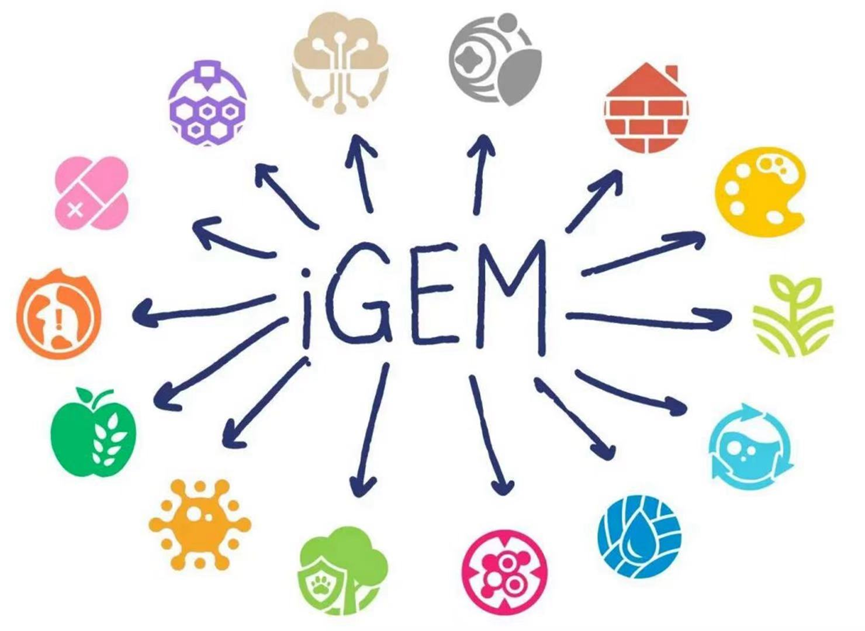
iGEM (International Genetically Engineered Machine Competition) is a global genetic engineering competition initiated by the Massachusetts Institute of Technology (MIT).
The competition began in 2003, became an international event in 2005, and has since evolved into one of the most influential student science and technology activities in the field of synthetic biology.
Each year, it attracts over 300 teams from more than 40 countries and regions worldwide, including undergraduate, graduate, and high school divisions.
View 'Barnacure' - Wellington's iGEM competition submission video and solution to boat barnacle build up
As a benchmark event in synthetic biology, iGEM emphasizes not only technological innovation but also Responsible Research and Innovation (RRI). Teams must comprehensively consider project safety, ethical issues, and societal impact while promoting public awareness through education and policy advocacy.
About our project

Marine surfaces like ship hulls face biofouling, leading to increased drag, fuel use, and maintenance costs. Traditional toxic antifouling paints leach harmful metals into seawater.
A sustainable alternative uses engineered bacteria to produce antifouling enzymes in protective coatings. These enzymes break down biofilms and prevent organism settlement without harming marine life. This eco-friendly solution could cut costs, extend ship lifespans, and reduce emissions.
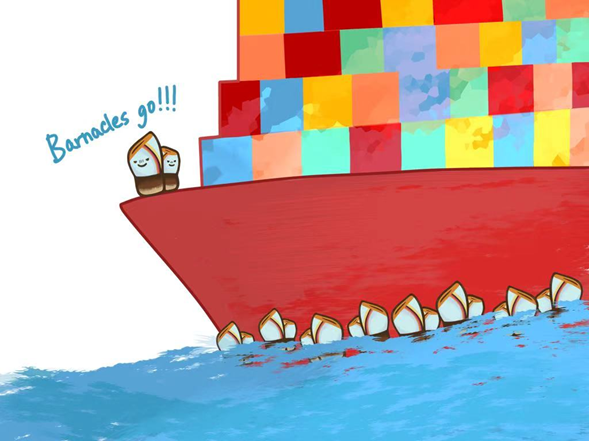
Tradition cleaning barnacles problems

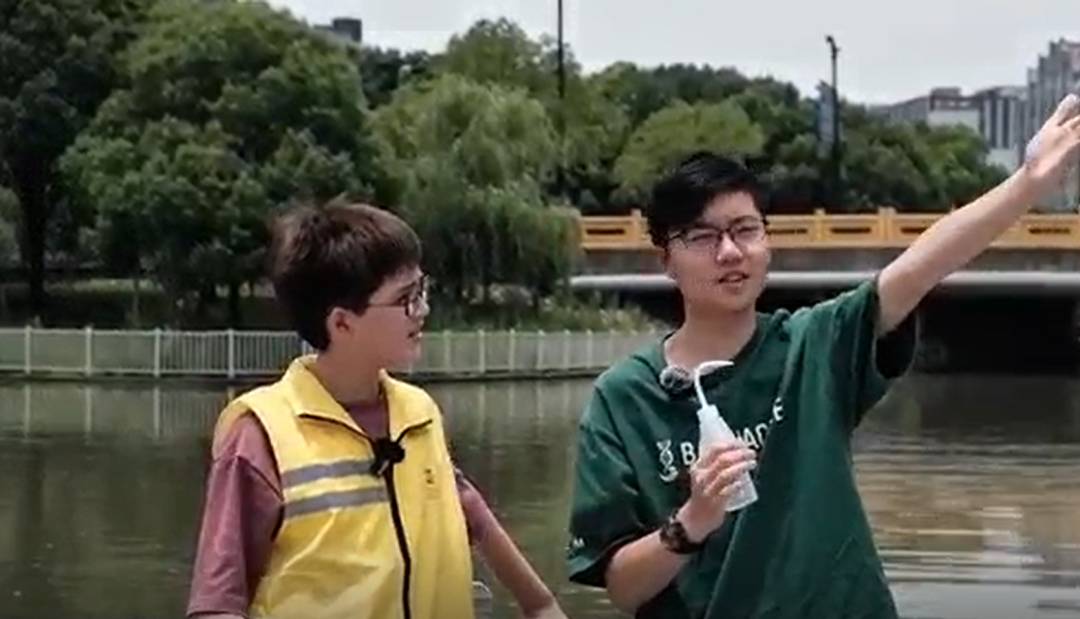
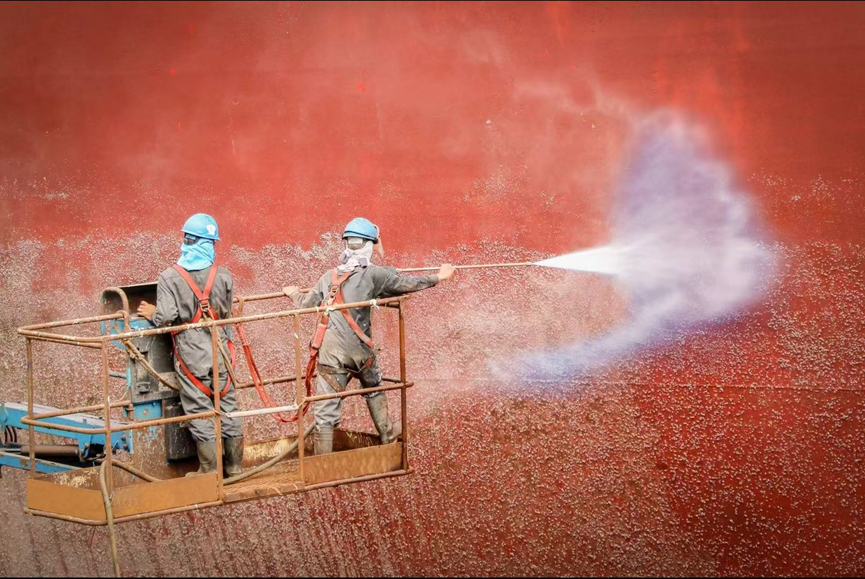
Most antifouling methods use toxic biocides, harming marine ecosystems and facing bans. Alternatives like power washing are costly—why clean ships often when a sustainable coating could offer lasting protection?
Unlike projects mimicking barnacle cement proteins for adhesives, we target these proteins for degradation. We’ll express cp-19k in E. coli, test protease efficiency against it, then engineer bacteria to produce the protease—a biological antifouling breakthrough.
Wha
Education

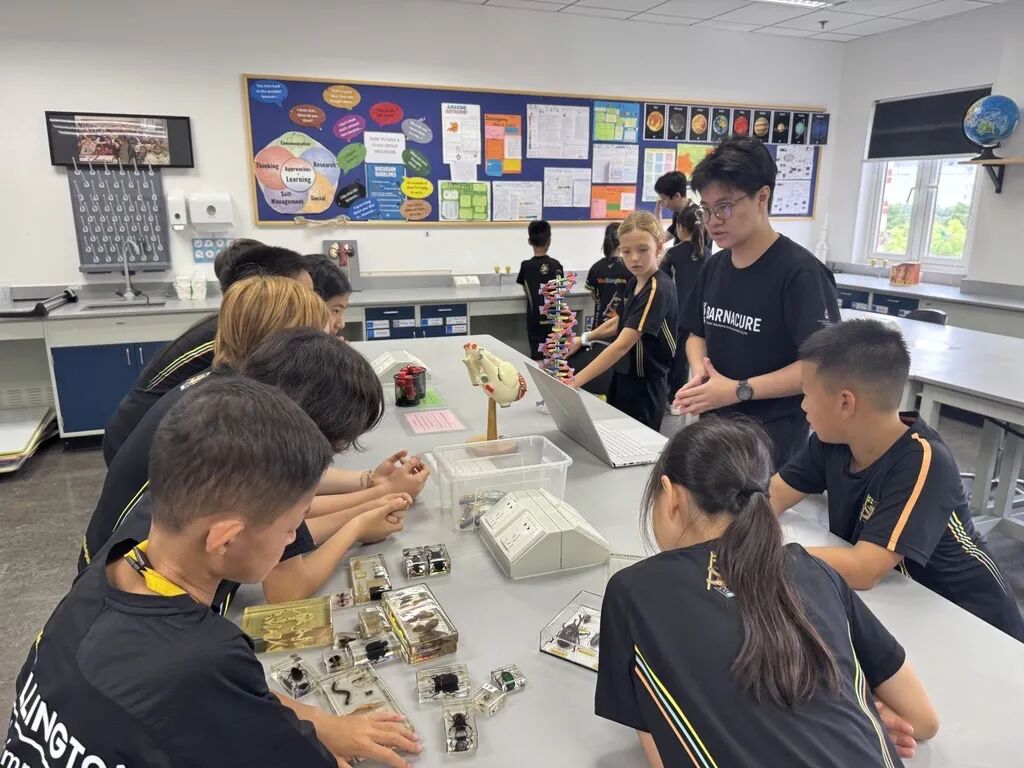
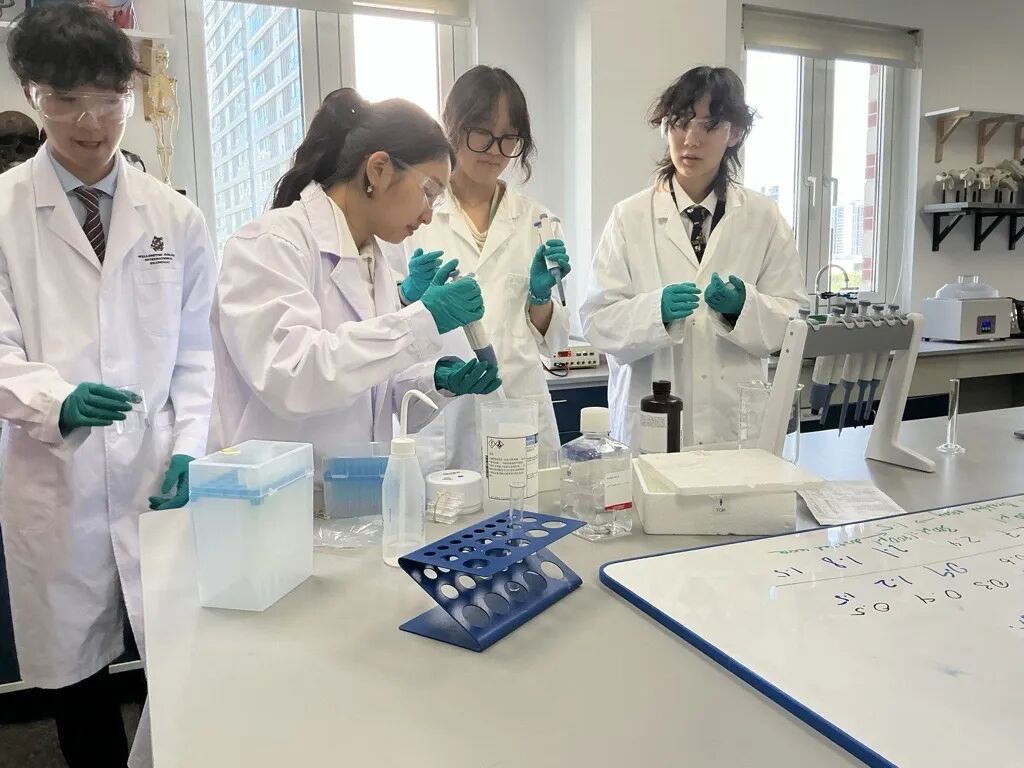
We also taught Year 9 pupils micropipetting techniques and created a clear CREST pathway for Year 7–13.
To further broaden opportunities, we established the Experimentalist CCA for Year 7 and 8, and Biotechnology for Beginners for Year 9 and 10, where pupils learned about laboratory safety and aseptic techniques, the importance of keeping laboratory notebooks, and practical skills essential for future iGEM success.
Beyond school, we arranged a session with Stepping Stones, where we taught children about DNA, micropipetting, and iGEM. Looking ahead, we plan to expand and promote these initiatives to other Wellington schools across China, fostering a wider culture of scientific exploration.
is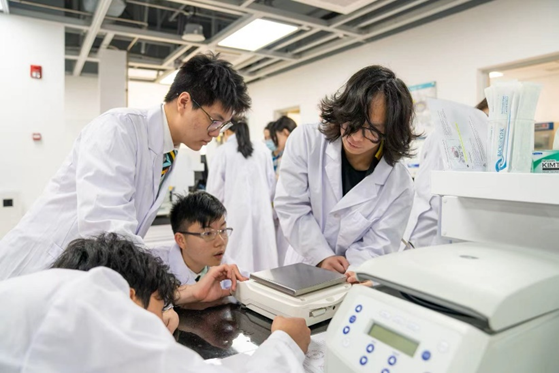





iGEM Competition & Barnacure Team Members
Team Illustration by Joanna, Year 11
Article written Jing Jing, Year 11
Primary Principal Investigator: Thomas Edwards, Head of Biology & Head of Science
What is iGEM?
iGEM (International Genetically Engineered Machine Competition) is a global genetic engineering competition initiated by the Massachusetts Institute of Technology (MIT).
The competition began in 2003, became an international event in 2005, and has since evolved into one of the most influential student science and technology activities in the field of synthetic biology.
Each year, it attracts over 300 teams from more than 40 countries and regions worldwide, including undergraduate, graduate, and high school divisions.
View 'Barnacure' - Wellington's iGEM competition submission video and solution to boat barnacle build up
As a benchmark event in synthetic biology, iGEM emphasizes not only technological innovation but also Responsible Research and Innovation (RRI). Teams must comprehensively consider project safety, ethical issues, and societal impact while promoting public awareness through education and policy advocacy.
About our project
Marine surfaces like ship hulls face biofouling, leading to increased drag, fuel use, and maintenance costs. Traditional toxic antifouling paints leach harmful metals into seawater.
A sustainable alternative uses engineered bacteria to produce antifouling enzymes in protective coatings. These enzymes break down biofilms and prevent organism settlement without harming marine life. This eco-friendly solution could cut costs, extend ship lifespans, and reduce emissions.
Tradition cleaning barnacles problems
Most antifouling methods use toxic biocides, harming marine ecosystems and facing bans. Alternatives like power washing are costly—why clean ships often when a sustainable coating could offer lasting protection?
Unlike projects mimicking barnacle cement proteins for adhesives, we target these proteins for degradation. We’ll express cp-19k in E. coli, test protease efficiency against it, then engineer bacteria to produce the protease—a biological antifouling breakthrough.
Wha
Education
We also taught Year 9 pupils micropipetting techniques and created a clear CREST pathway for Year 7–13.
To further broaden opportunities, we established the Experimentalist CCA for Year 7 and 8, and Biotechnology for Beginners for Year 9 and 10, where pupils learned about laboratory safety and aseptic techniques, the importance of keeping laboratory notebooks, and practical skills essential for future iGEM success.
Beyond school, we arranged a session with Stepping Stones, where we taught children about DNA, micropipetting, and iGEM. Looking ahead, we plan to expand and promote these initiatives to other Wellington schools across China, fostering a wider culture of scientific exploration.
is