








Every Pupil Is a Mathematician: Maths Learning in Primary School






David Barton


Our focus on cultivating mathematical mastery and mindsets ensures that pupils not only succeed in the classroom but also develop a genuine love for the subject and an enduring curiosity to explore further.
By fostering these 'mathematical habits of the mind,' we prepare pupils to make sense of a data-driven world, equipping them for diverse challenges, from managing personal finances to interpreting data in the news. As part of this commitment to developing resilient problem-solvers, our approach seamlessly integrates into the design of our curriculum.
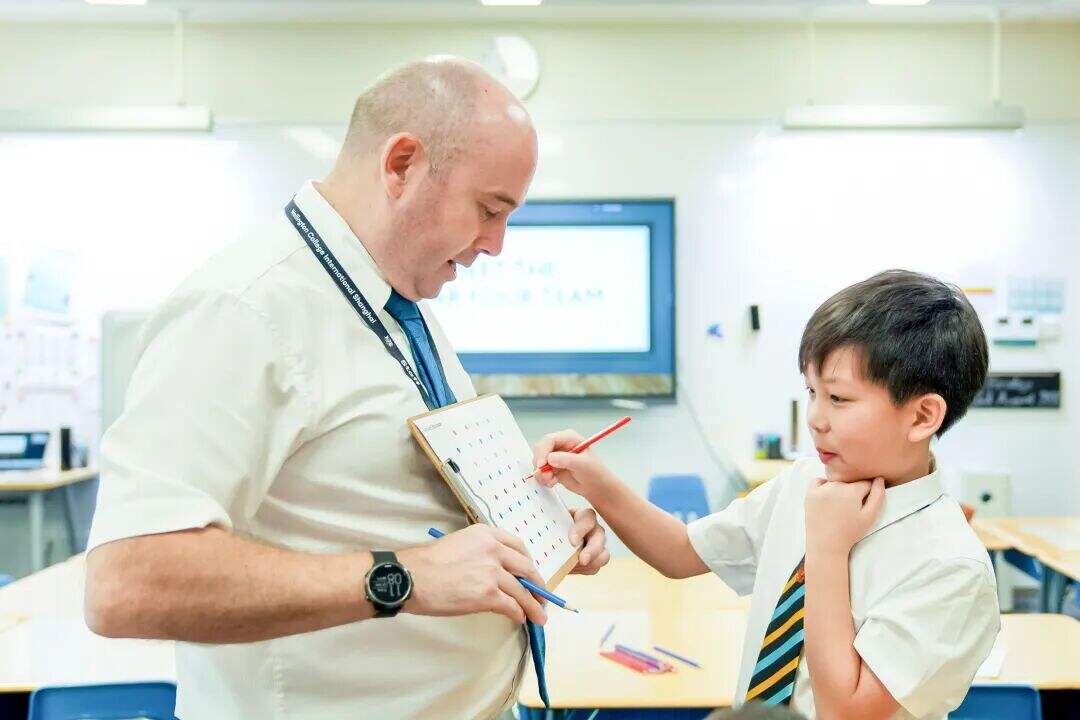
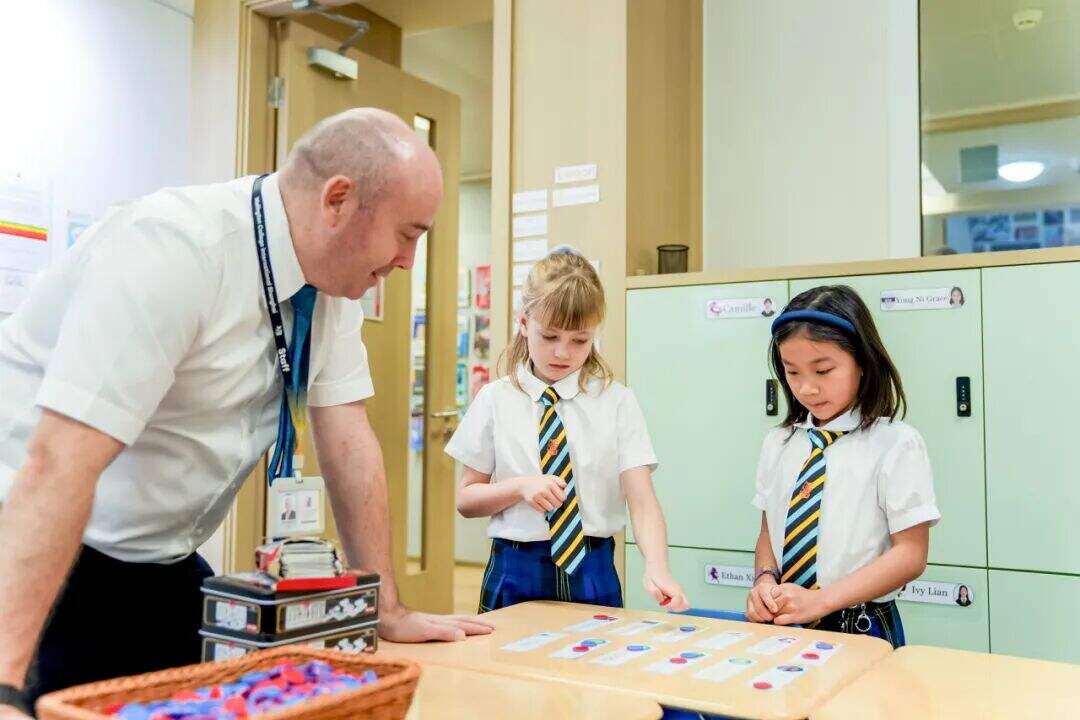


Building upon these foundational mindsets, our pioneering curriculum begins with the robust framework of the English National Curriculum and extends it into an immersive, global mathematics education. We achieve this by integrating the best practices from China and around the world, ensuring our pupils develop into confident, capable mathematicians.
Our approach draws from Shanghai, which is renowned for its emphasis on procedural fluency and mastery, and expands beyond this to encompass problem-solving, critical thinking, and real-world application. These elements are underscored by China's new national curriculum standards, which emphasise logical reasoning, mathematical modelling, data analysis, and creative thinking.
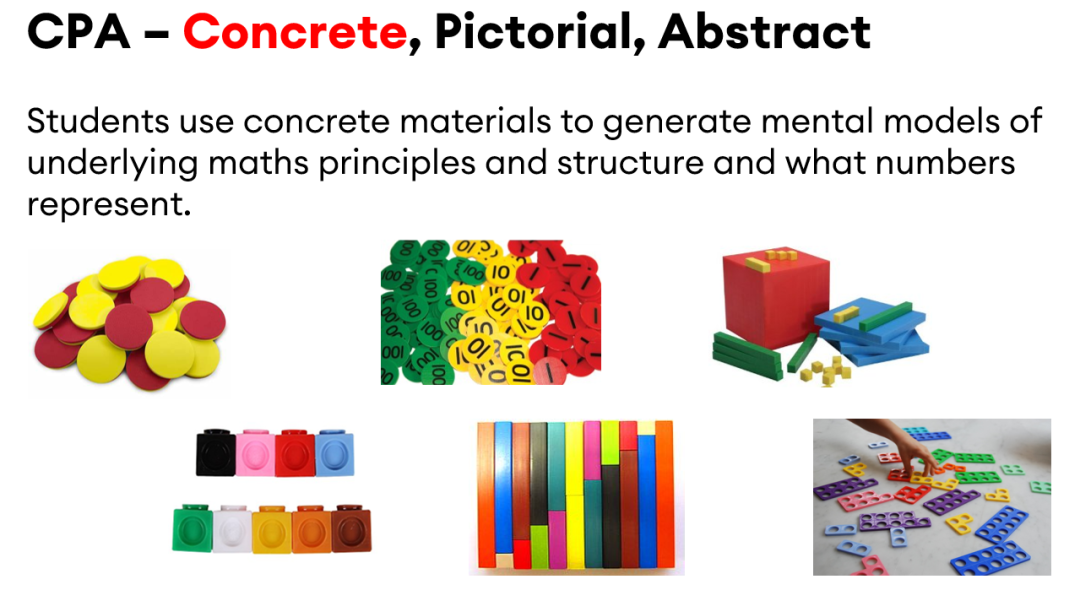
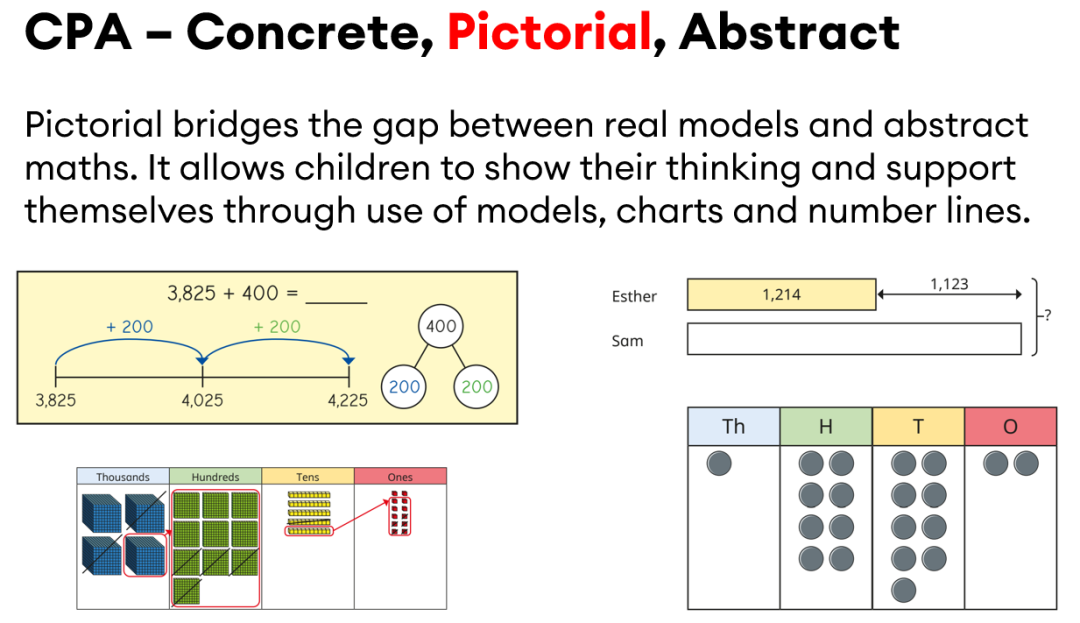
Further enriching our curriculum, we incorporate methodologies like Singapore Maths, known for its focus on problem-solving and critical thinking over rote memorisation. This approach empowers pupils to understand the 'why' behind mathematical concepts, equipping them to apply their knowledge in practical scenarios. Through Singapore Maths, pupils build mental maths skills and a deep understanding of concepts, using visual aids like diagrams and model drawings to visualise number relationships. Problem-solving tools, such as heuristics, cultivate their ability to confidently tackle intricate questions.

Swipe for more
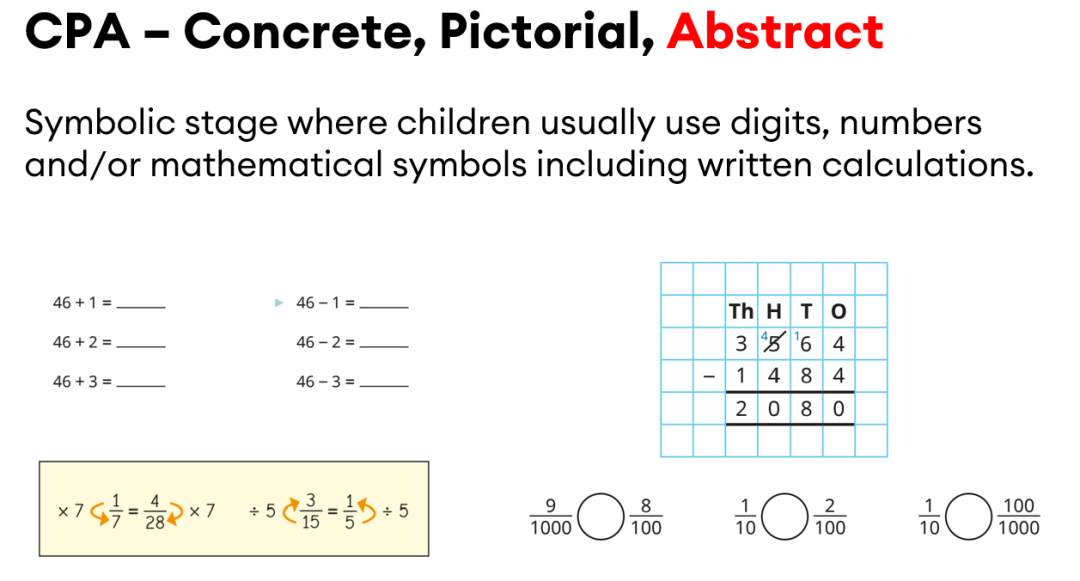
A key feature of the Singapore Maths is the Concrete, Pictorial, Abstract (CPA) Approach
In addition, our curriculum benefits from the White Rose Maths approach, which offers a thorough and adaptable structure for primary and secondary education. By organising mathematical concepts into small, manageable steps, White Rose Maths ensures pupils of all abilities can achieve a deep and lasting understanding of mathematics. This structured progression helps pupils build a solid foundation before advancing to more complex topics, contributing to an inclusive and comprehensive learning environment.
We are also proud of our status as an NRICH Problem-Solving School, an initiative from the University of Cambridge. In our classrooms, this means open-ended questions, word problems grounded in real-life scenarios, and explicit teaching of mathematical thinking strategies.

Year 4 real-life scenario learning example


We see parents as vital collaborators in nurturing the pupils’ academic journey. Through comprehensive termly reports, thoughtfully curated learning resources, and our dedicated 'Parents as Partners' workshops, we aim to offer parents a clear perspective on their child's educational experience. Our objective is not only to provide them with a deeper understanding of their academic development but also to empower them with practical strategies that support and celebrate their child’s mathematical achievements at home.
To ensure consistent academic progress, we conduct regular assessments and maintain pupil learning journals, which offer valuable insights into the fluency, depth of understanding, and overall progress of each child.



Open Up the Maths Journal
The maths journal is a wonderful opportunity for the children to demonstrate their depth of mathematical understanding. We give the children a challenge question, but this is just the beginning. This gives them the platform to then represent the problem in a variety of ways using concrete materials, pictures and symbols. They are encouraged to describe how they solved the problem and reason why they used their approach showing their own examples, non-examples and number stories. Finally, children are inspired to identify connections between the problem and other maths concepts and make generalisation about what they have noticed. The outcome is knowledgeable and proud children who enjoy showcasing their depth of understanding.
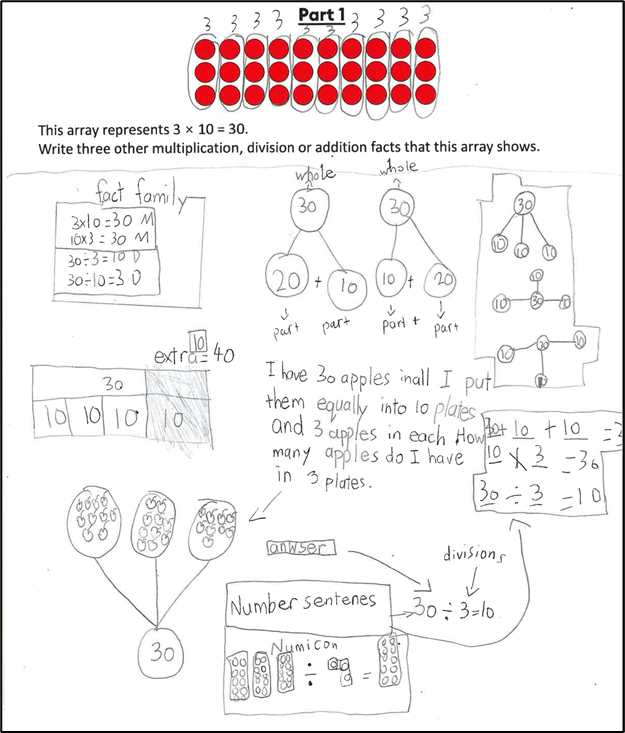
Maths journal examples for Year 2
This approach guarantees tailored support where necessary, while upholding high standards of excellence. The result is a dynamic learning environment where children are encouraged to embrace risks, confront challenges, and evolve into self-reliant problem-solvers.
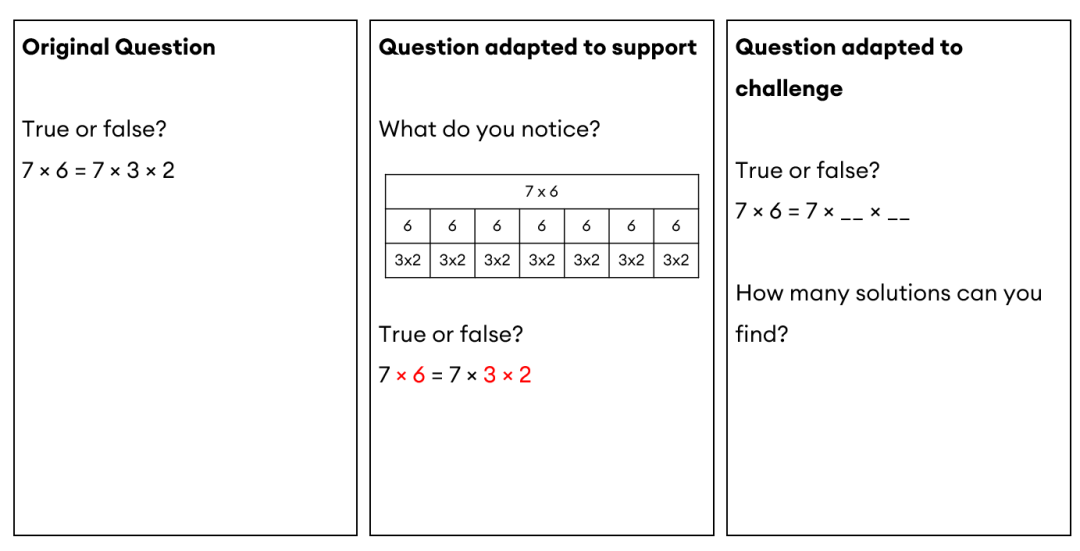
Year 3 adaptive learning example


The results of our approach are clear and measurable. Wellington pupils consistently achieve above international benchmarks, with progress and performance strong across all year groups.
Over 90% of pupils (Years 2–6) achieve medium or high performance.
Pupils demonstrate stronger conceptual understanding than international norms.
Pupils demonstrate exceptional reasoning skills across all year groups
Year 4 leads with 30.6% making “Much Higher” progress.
From fostering mathematical thinking through oracy and the growth mindset, to challenging high performers with exciting stretch activities and competitions.
We explore real-world applications to future-proof skills, peek into our personalised primary maths assessment strategies and so much more.
Stay tuned for insights that will change every calculation you have about maths!
David Barton is a seasoned educator with over 17 years of experience in primary maths education. Holding a Master's in International Education focused on maths, David is committed to the subject's excellence. He engages actively with the educational community as a fellow of the Chartered College of Teaching, and a member of the Mathematics Association and the Association of Teachers of Mathematics.
Related Articles